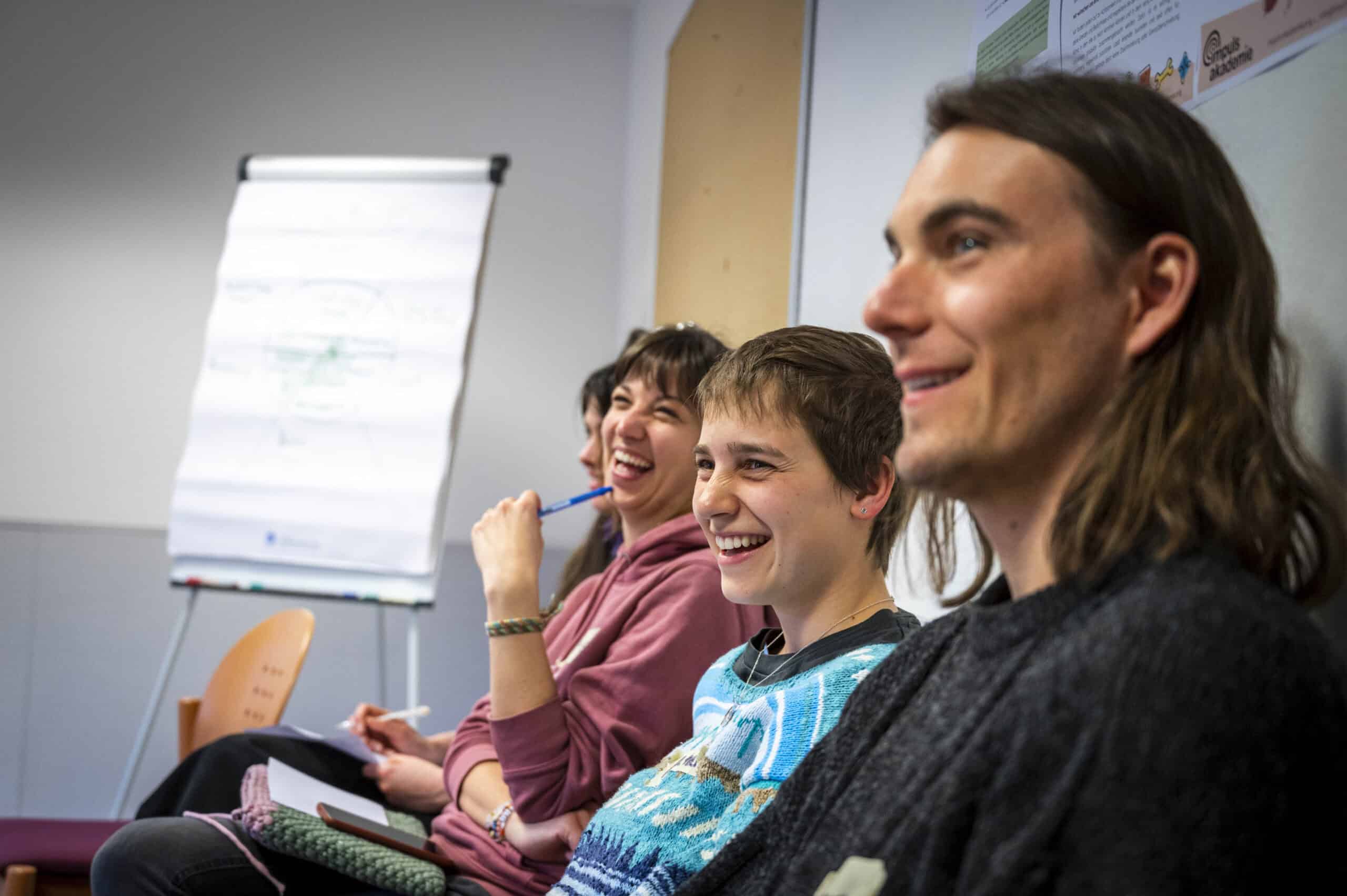
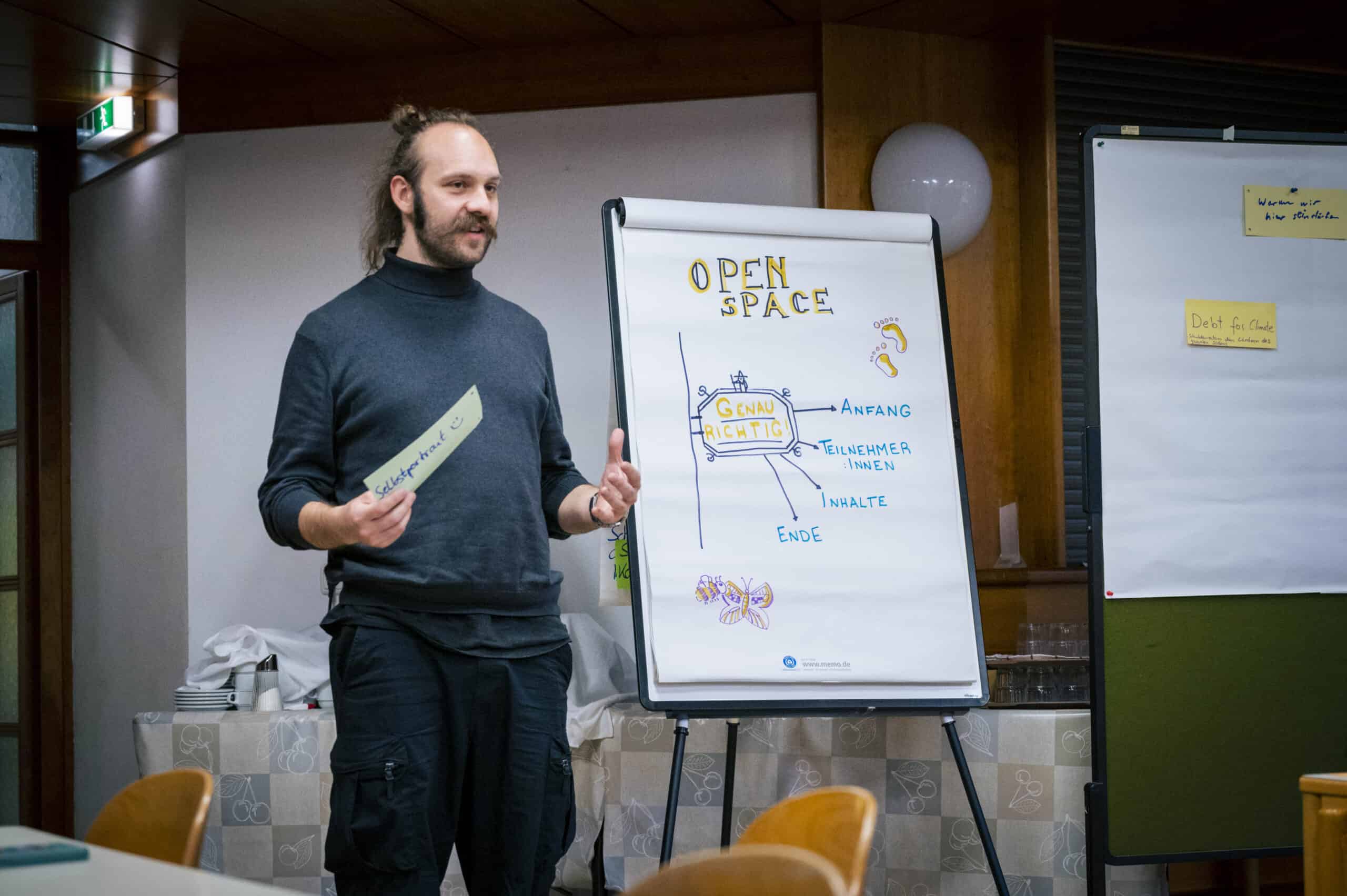
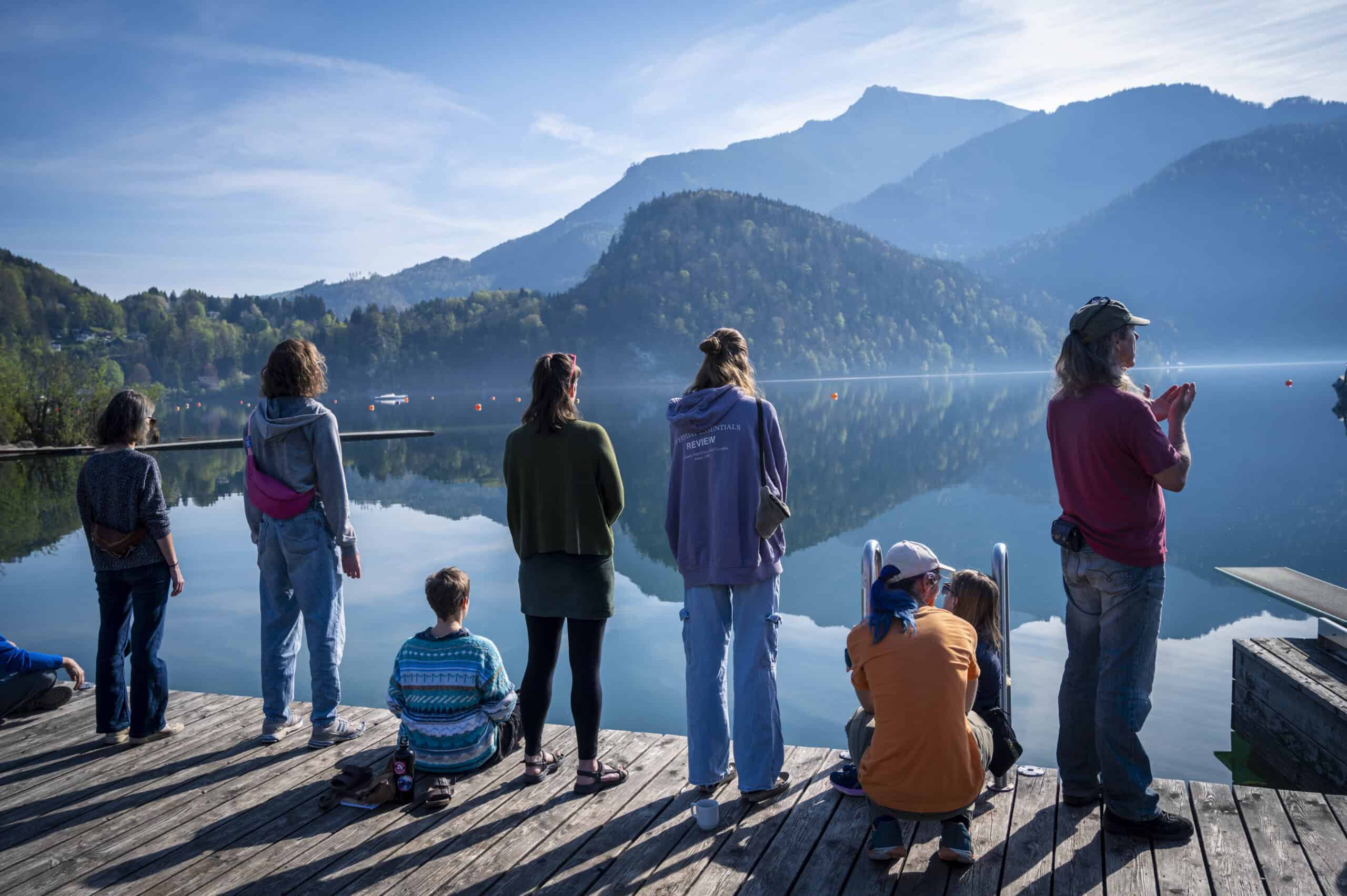
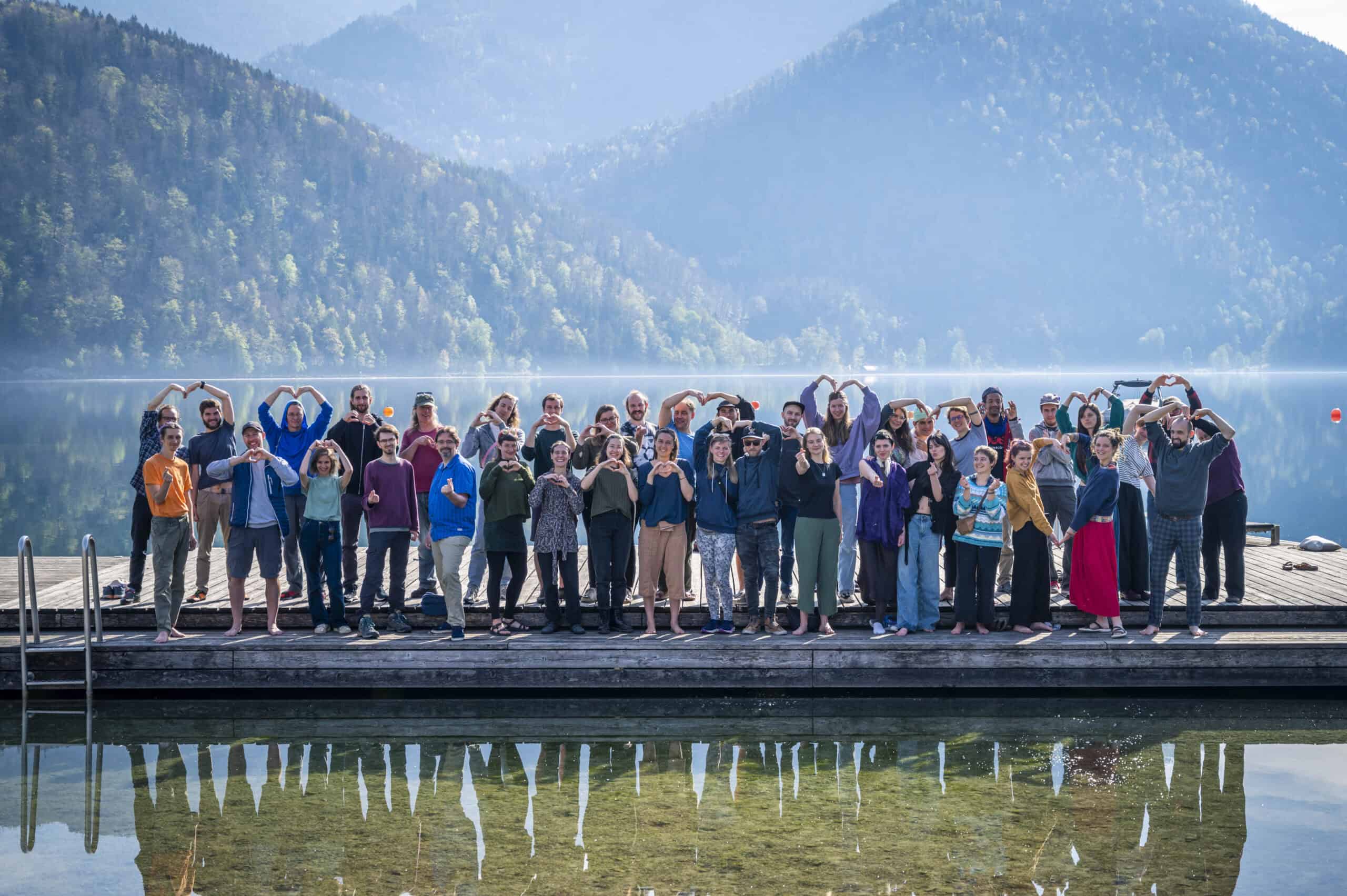
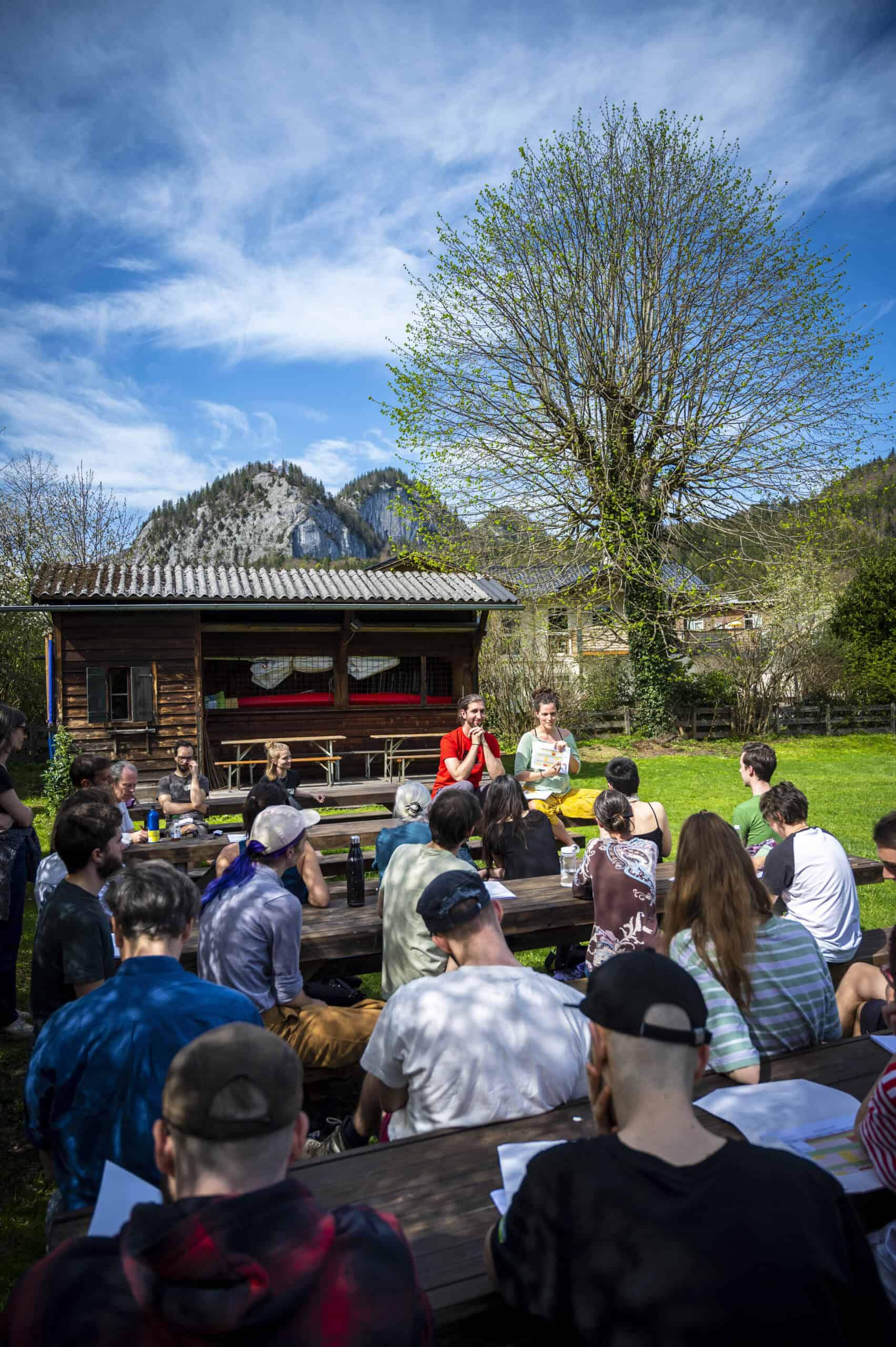
The first Impuls Academy took place in St. Gilgen on Lake Wolfgang from April 7 to 13, 2024. About forty participants and a total of 13 speakers and contributors spent an extremely intensive and informative week together. In three different courses, the participants explored campaign strategy, movement building, and self-organization.
In the campaign course, several small groups worked throughout the week on a shared case study and planned a campaign from concept to implementation. In the course on movement building, they discussed the difference between mobilization and organizing, explored onboarding processes, and focused on building a sustainable group culture. The Self-Organization course became—in some unexpected ways—a space for experiencing group dynamics, where participants learned to hone their conflict resolution skills. The group also ventured into the taboo topics of power, structure, and hierarchy.
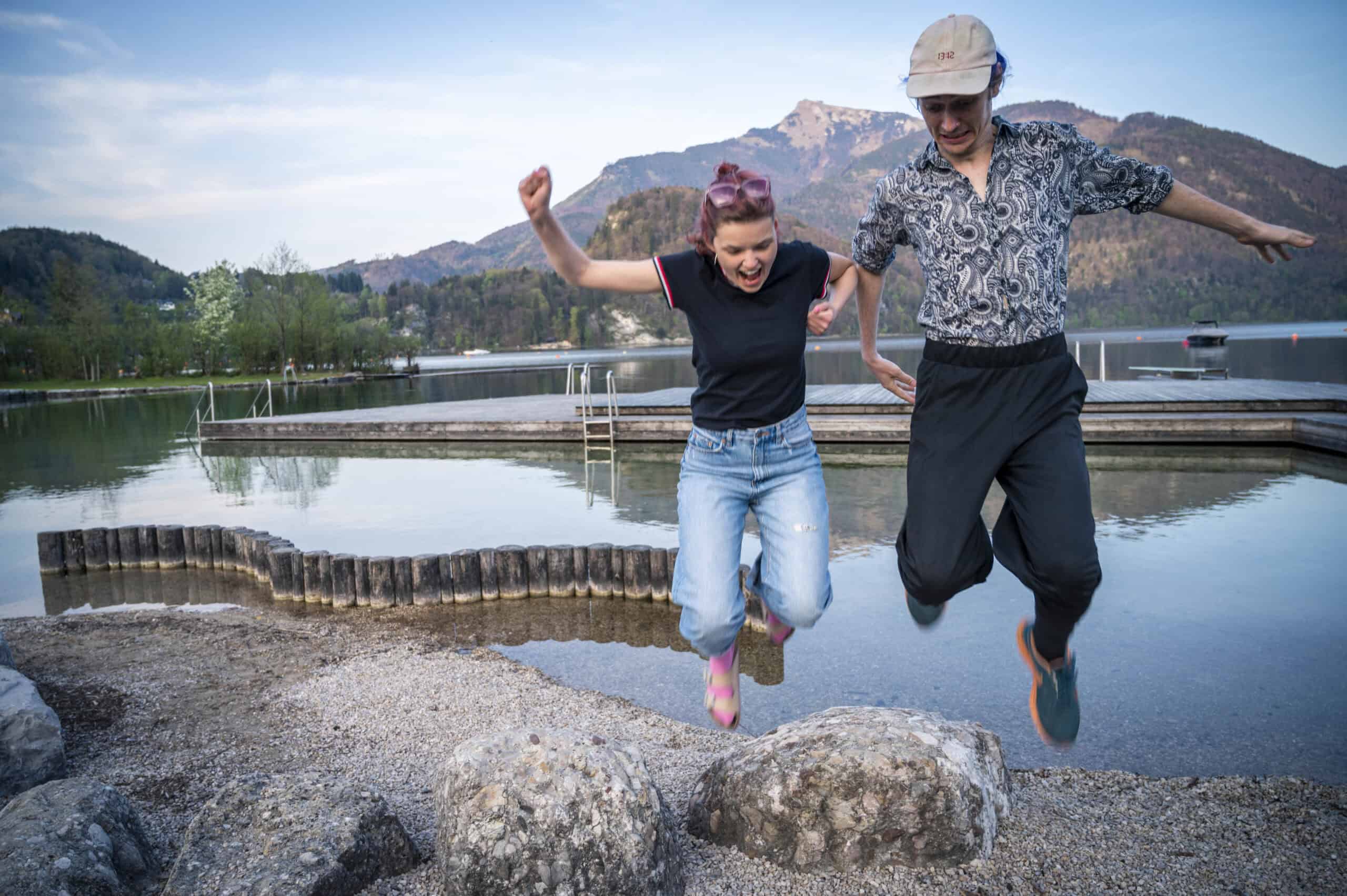
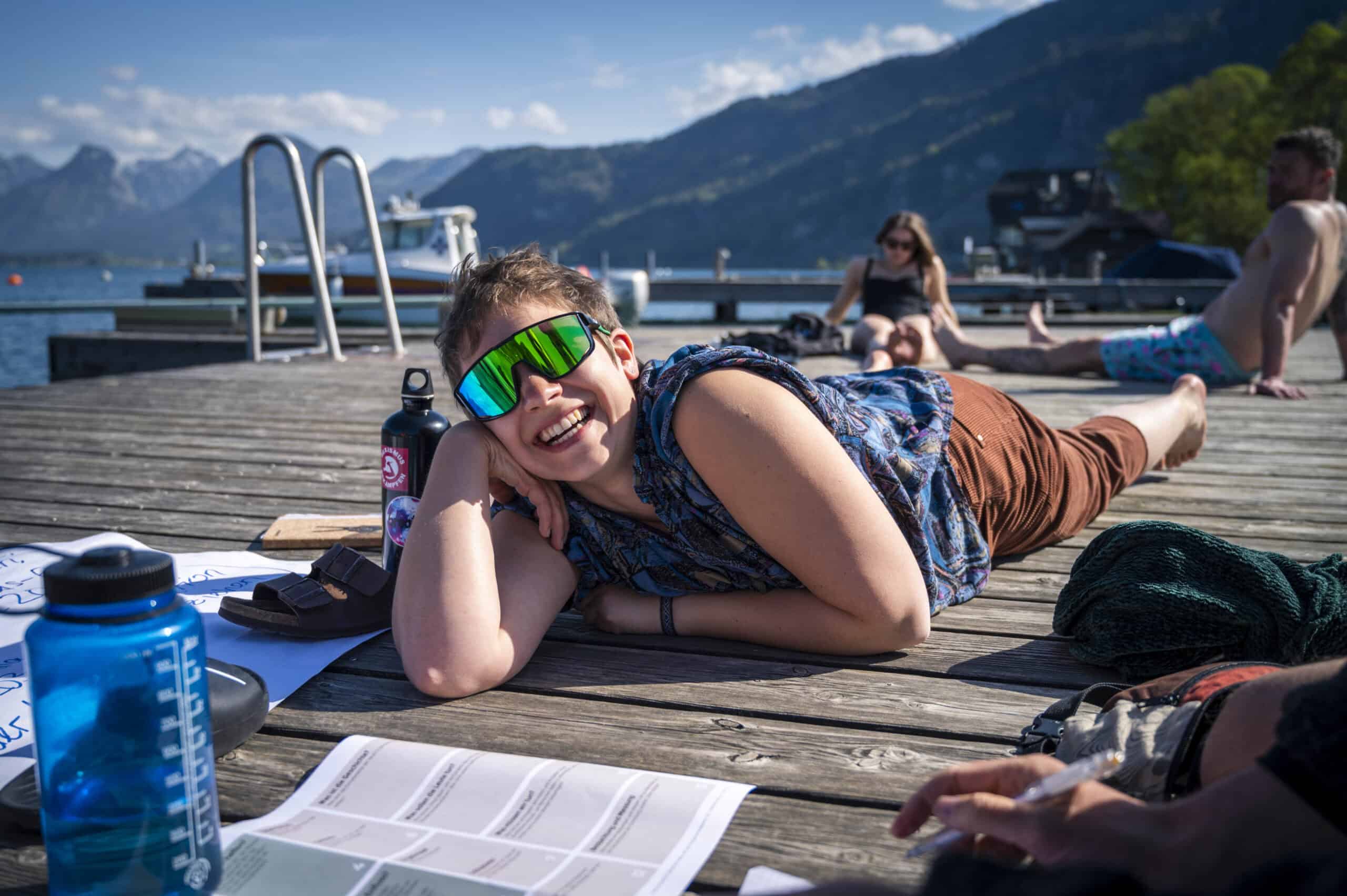
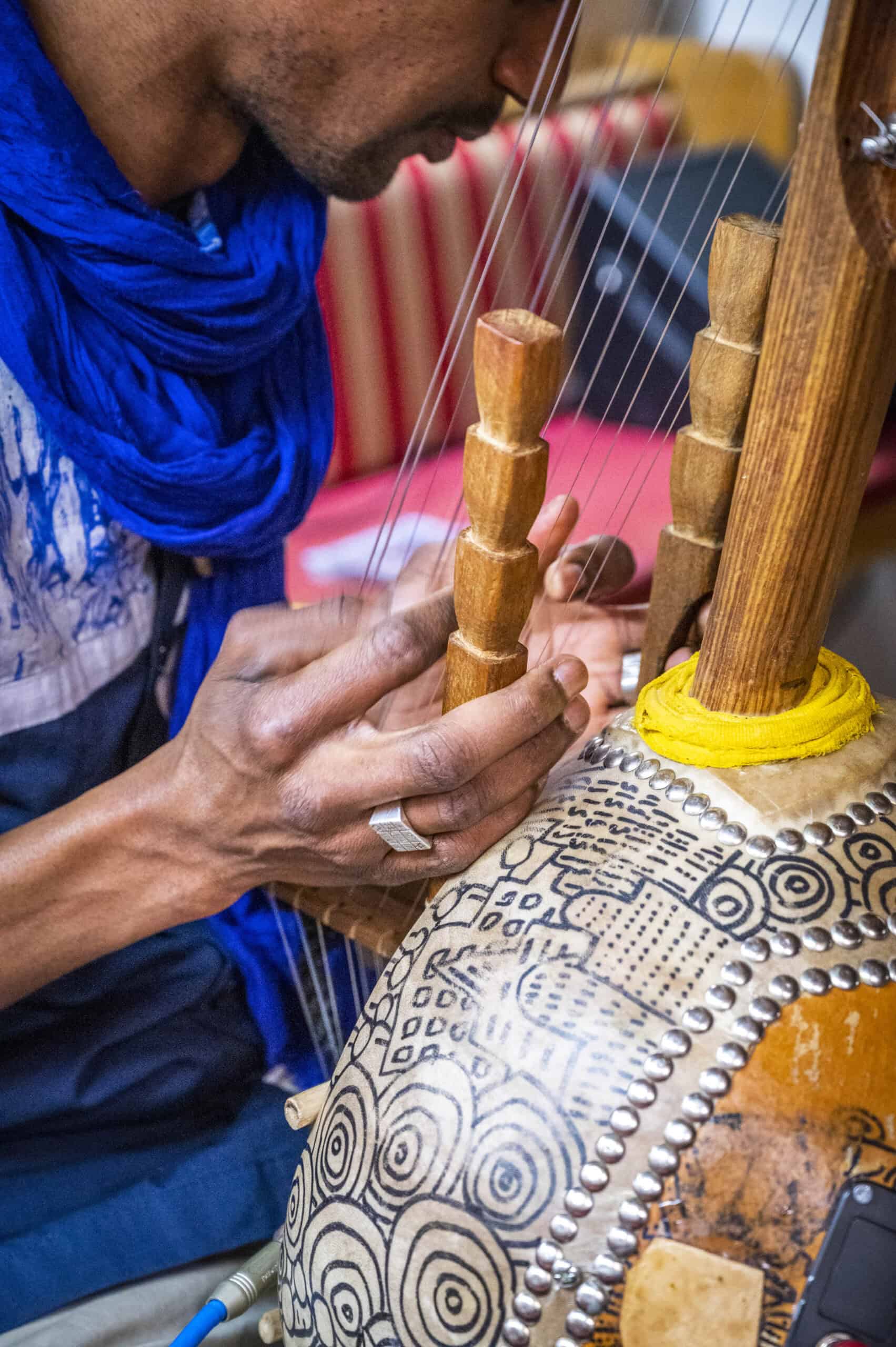
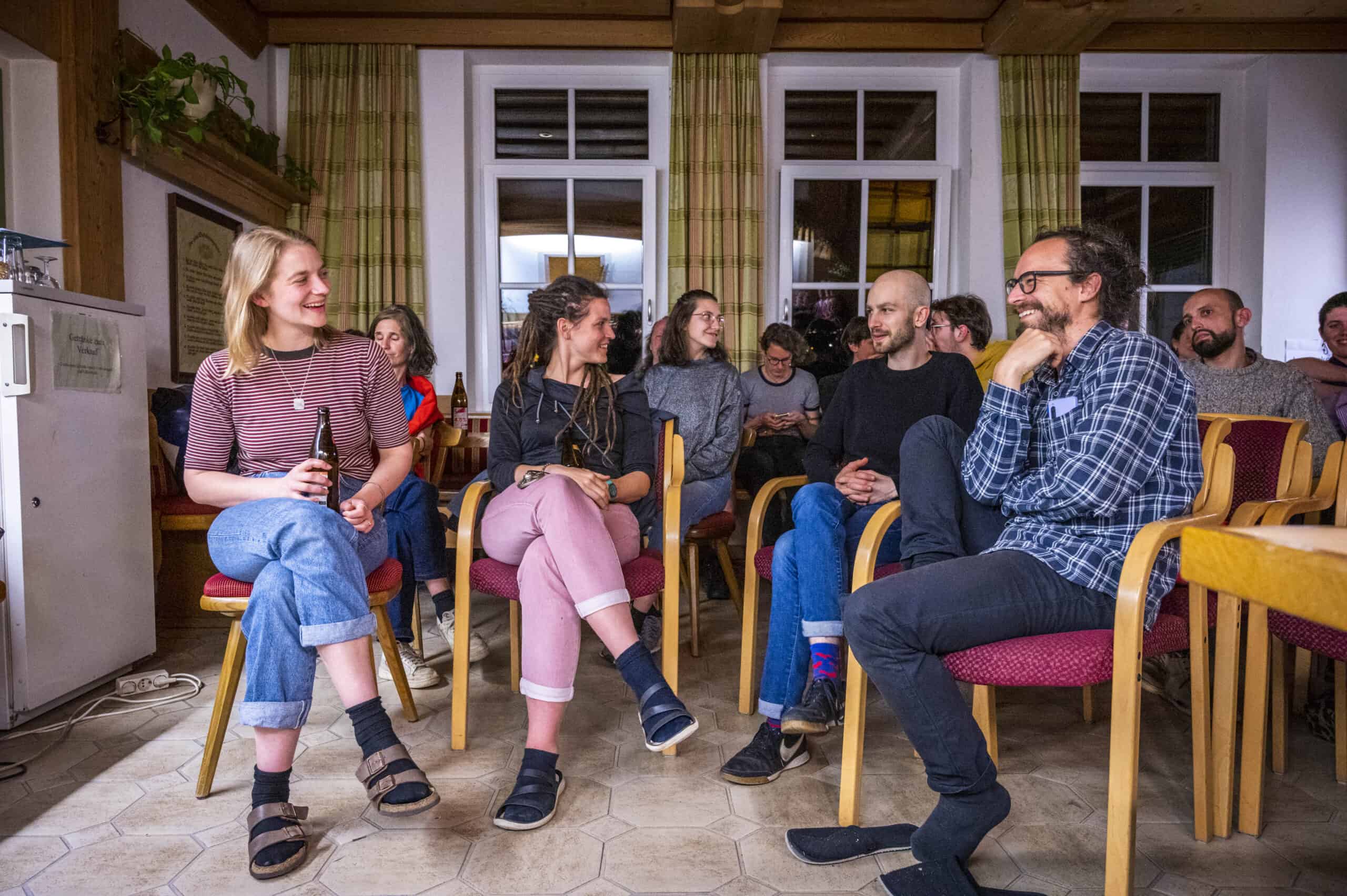
The week was packed with additional activities and educational elements. In a “Transfer Lab,” for example, participants were helped to put what they had learned into practice. During a free morning, they were able to unwind from the intense days and take a walk around Lake Wolfgang or even take a dip in it. The evening program included events such as a reading by Josef Haslinger, a fishbowl discussion, and live music by Adamah Dicko. It was never boring!
The overwhelmingly positive feedback has confirmed the Impuls Academy’s working hypothesis that such longer, intensive training programs are urgently needed for social movements in Austria. Not only to strengthen the participants’ skills and thereby make their organizations and movements more effective, but also to promote networking and exchange among them. For future editions of the Impuls Academy, there are two key areas for improvement: First, a slight adjustment to the high-quality but very dense program. And second, greater diversity among the participants. In many respects, the participants were very diverse, but, for example, the proportion of migrants and people of color did not reflect Austrian society.
Kurse
Movement Building: How Do We Grow?
Once we’ve managed to mobilize people for a moment, it’s important to provide opportunities for new people to get involved and join your movement: That’s what movement building is all about. Using examples from around the world and Austria, we’ll explore how this can be achieved.
Campaign Strategy: How Can We Win?
There are many paths that can lead to a political goal—but we often get lost in a maze of strategic options, different forms of protest and action, and the people we need to reach. In this course, we want to work together to find solutions and draw clear political roadmaps to help us along the way.
Self-Organization: How Do We Work Successfully Without “Bosses”?
A defining feature of most social movements today is that they function without formal “leaders
.”
In this course, we’ll explore successful self-organization and “leaderful organizing.”